
The Battle in Intensive Care is Often Won
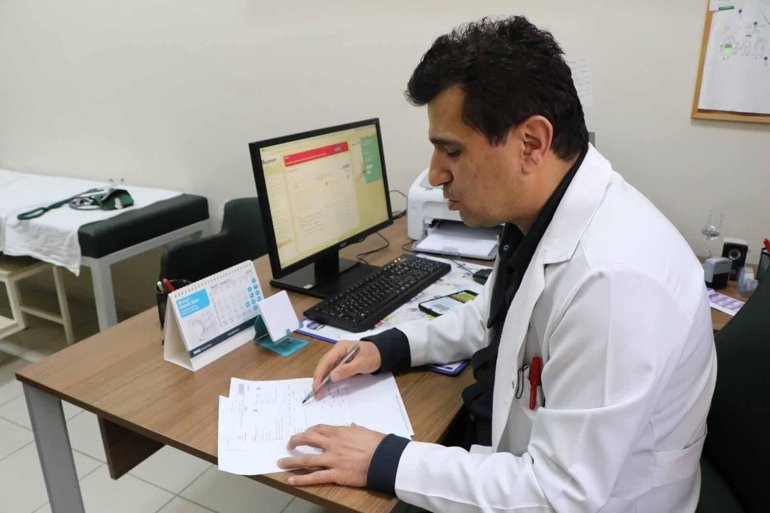
OMÜ Faculty of Medicine Internal Medicine Department Dr. Özgür Kılıç stated that there are misconceptions among the public about intensive care processes, noting that patients' health conditions are monitored in real-time and comprehensive treatment is applied in these units. Dr. Kılıç said that many patients in intensive care can regain their health, "Today, intensive care medicine is much more advanced than in the past. Many patients who were once considered inevitably lost in cases of sepsis, severe trauma, respiratory failure, serious infections, and shock can now return to life. Thanks to innovations ranging from mechanical ventilation devices to dialysis systems, advanced hemodynamic monitors to artificial organ support technologies, people can reunite with their families. Therefore, it is not correct to view intensive care units solely as places associated with death. Intensive care is a scientific, humanitarian, and labor-intensive struggle given at the most critical threshold between life and death. And often, that struggle is won," he said.
'NEGATIVE PERCEPTION IN SOCIETY'
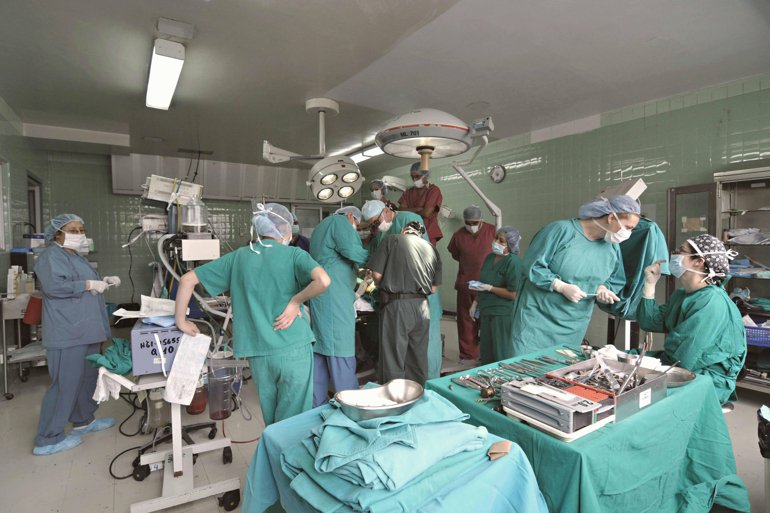
"Unfortunately, there is a widespread perception in society that intensive care units are places where hopes are exhausted, and patients are admitted to bid farewell to life," said Dr. Özgür Kılıç, adding: "However, the reality is very different. Intensive care is not where death is expected, but where the most intense struggle for life is given. The struggle here is carried out not only with drugs but also with the coordination of knowledge, technology, experience, and professional teams working day and night. Intensive care medicine is one of the most advanced fields of modern medicine, aiming to understand impaired organ functions, temporarily support them, and give the patient time to recover. I have been actively working in the intensive care unit since 2015. Recently, we managed to bring back to life two young patients we admitted to intensive care in a severe shock state, with close monitoring and advanced support treatments over days. This success is not only the work of a physician but also the joint effort of nurses, specialists, auxiliary health personnel working 24/7, and modern intensive care technology. Sometimes a small change on a monitor, sometimes a correct decision made within minutes can determine a person's life. However, there are some real reasons for this negative perception in society. In our country, intensive care beds are sometimes not used rationally; patients with extremely low medical chances of recovery, exhausted organ reserves, advanced cancer, or very severe chronic diseases are kept in intensive care for long periods in the last stages of their lives. This situation both overshadows the true mission of intensive care and strengthens the thought that 'those who enter intensive care cannot come out.'"
'NOT EVERY PATIENT NEEDS INTENSIVE CARE'
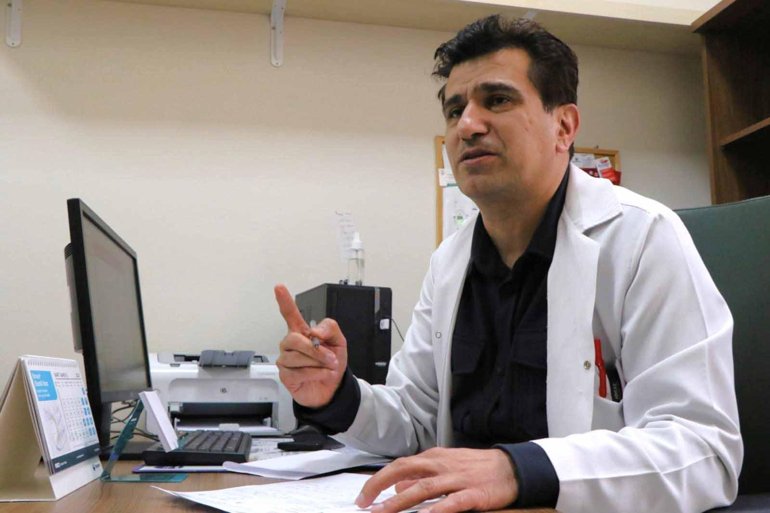
Dr. Kılıç said, "It should be clearly stated; we intensive care specialists cannot create miracles. Science is not based on miracles but on probabilities, physiology, and treatability. If a patient's organ reserves are completely depleted, cancer has spread throughout the body, or chronic diseases have reached an irreversible point, intensive care may not always be the right place. At this point, palliative care, which advanced health systems attach great importance to, comes into play. Palliative care is a special care approach where the patient's comfort is prioritized, pain, shortness of breath, and distress are reduced, and it is aimed for the patient to spend the last period of life more peacefully and dignifiedly with their loved ones, rather than focusing on treatment. Not every patient needs intensive care. Sometimes the most correct approach is not to leave the patient alone among machines but to allow a humane farewell with their loved ones," he said.