

Uzbekistan and Turkmenistan intend to use the COP31 World Leaders’ Summit in Antalya to advance initiatives aimed at addressing Central Asia’s climate challenges. Both countries are linking their national environmental priorities to broader regional cooperation, but are pursuing different approaches: Tashkent is focusing on measurable commitments and practical projects, while Ashgabat is emphasizing the establishment of international institutions and the development of technological cooperation.
The participation of the two countries in the summit on November 11 gives this agenda additional political weight. For Central Asia, a region facing water shortages, land degradation, desertification and the consequences of climate change, COP31 offers a platform not only to discuss national targets but also to coordinate long-term mechanisms for regional cooperation.
Uzbekistan moves from climate commitments to investment projects
Uzbek President Shavkat Mirziyoyev has consistently advanced his country's climate agenda on international platforms, viewing it as both an environmental security issue and a driver of economic development.
Addressing the COP29 World Leaders’ Summit in Baku in November 2024, he stressed that climate change had become a global challenge with a direct impact on Central Asia.
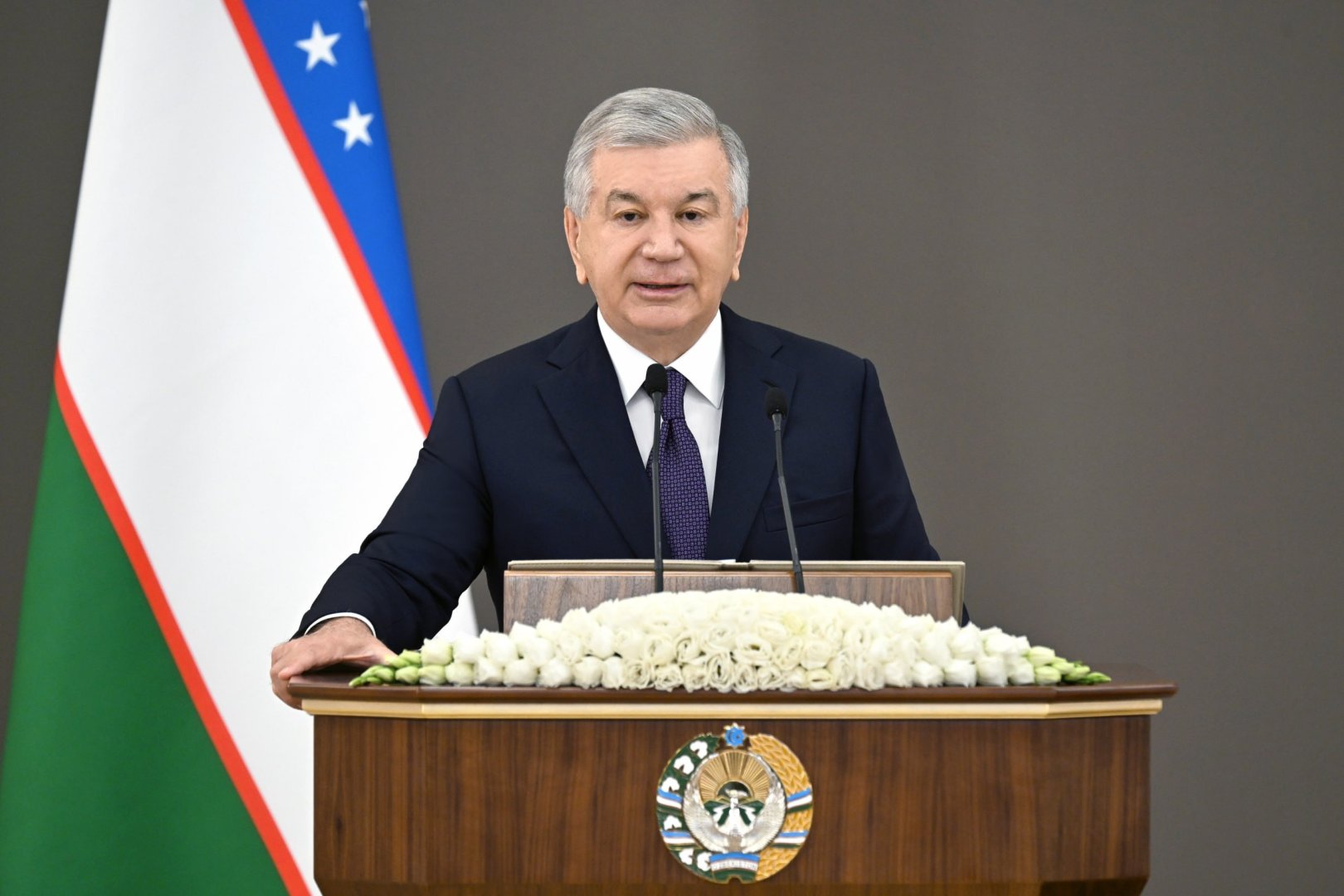
"Climate change has become the main global challenge and is directly contributing to growing geopolitical tensions. We are acutely feeling its consequences in Central Asia," Mirziyoyev said.
At the time, the Uzbek leader also outlined a number of initiatives calling for closer international coordination. These included establishing an International Centre for Assessing Climate Loss and Damage, developing a UN declaration on environmental security and the health of river ecosystems, with particular attention to the Aral Sea issue, and setting up a regional genetic resources bank. Tashkent also proposed establishing a UN Innovation Hub for Agro-Industrial Development in Landlocked Countries and an Alliance of Climate Capitals of the World.
These proposals complement Uzbekistan's national commitments. The country has set a target of reducing greenhouse gas emissions per unit of GDP by 50% by 2035 compared with 2010 levels. In addition, renewable energy is expected to account for 54% of electricity generation by 2030. The development of solar and wind power, green hydrogen and electric transport is seen as part of a broader economic transformation.
At COP31, this approach is already translating into practical action. On November 10, the Climate-resilient Landscapes in Central Asia (CLiCA) programme, approved by the Green Climate Fund, was launched. Uzbekistan is set to receive investments worth 103.7 million euros for projects in 15 districts across four regions. The programme covers the restoration of 18,000 hectares of forests and 123,000 hectares of pastureland, the introduction of drip irrigation and support for farmers.
During a meeting with the Green Climate Fund's Executive Director, Mirziyoyev also discussed expanding national institutions' access to climate finance. Uzbekistan's joint project portfolio with the fund already exceeds $200 million.
Thus, the president's participation in COP31 enables Tashkent to link its previously announced international initiatives with concrete financial instruments. In the longer term, this could strengthen the country's capacity to adapt its agriculture and natural landscapes to climate change, while attracting additional funding to address the challenges facing the Aral Sea region.
Turkmenistan proposes regional centres and international mechanisms
Turkmenistan is approaching COP31 with a different set of priorities, placing particular emphasis on regional institutions under the UN umbrella, climate technologies and international dialogue platforms. Promoting these initiatives has become a consistent element of the country's environmental diplomacy.
National Leader of the Turkmen People and Chairman of the Halk Maslahaty Gurbanguly Berdimuhamedov has consistently advocated broader international cooperation in clean energy and climate technologies. At the Vienna International Energy and Climate Forum in April 2026, he reaffirmed Turkmenistan's commitment to the Paris Agreement and proposed stepping up joint projects in solar and wind energy.
Gurbanguly Berdimuhamedov also placed particular emphasis on hydrogen energy. Turkmenistan is considering its development based on natural gas and has proposed drawing up a ten-year Global Programme for the Transition to Hydrogen Energy under the auspices of the UN.
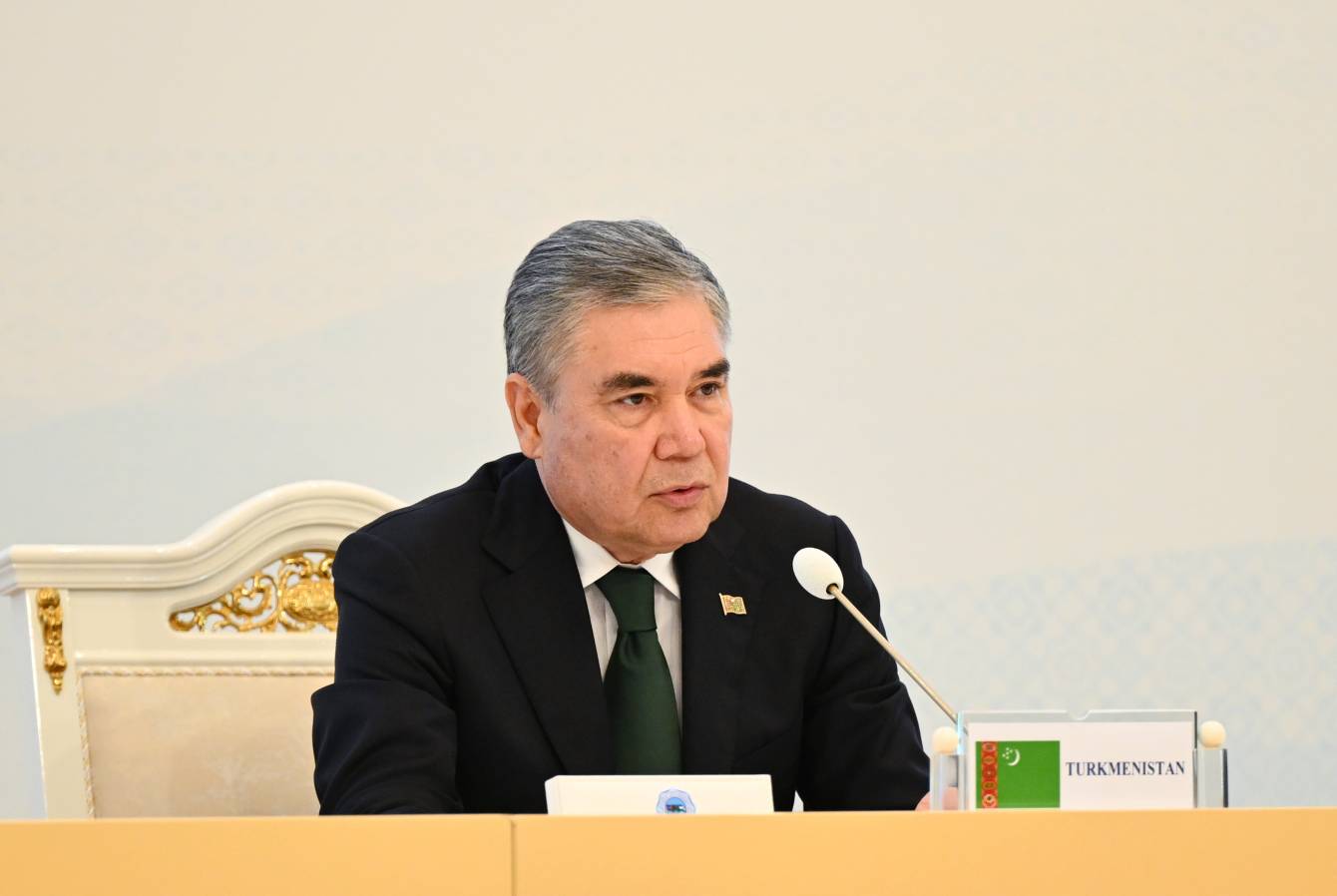
"Now that we are embarking on the practical development of hydrogen energy in Turkmenistan based on natural gas, we are ready to work in this area on the broadest possible scale and with all interested international partners," he said in Vienna.
A key element of this strategy is the proposal to establish a UN Regional Centre for Climate Change Technologies in Central Asia in Ashgabat. The initiative envisages promoting scientific research, facilitating technology exchange and supporting regional countries in adapting to climate change.
President Serdar Berdimuhamedov, in turn, has been advancing the regional dimension of this agenda. At the Regional Ecological Summit in Astana in April 2026, he drew attention to declining water resources, land degradation and accelerating desertification, stressing that these processes affect virtually every aspect of people's lives.
At the 13th summit of the Organization of Turkic States in Ankara in October, Serdar Berdimuhamedov again called for the establishment of UN regional centres in Ashgabat focusing on climate technologies and combating desertification. Another important initiative was presented at the 7th Summit of the Conference on Interaction and Confidence-Building Measures in Asia (CICA) in Baku in October, as a proposed instrument for international environmental cooperation.
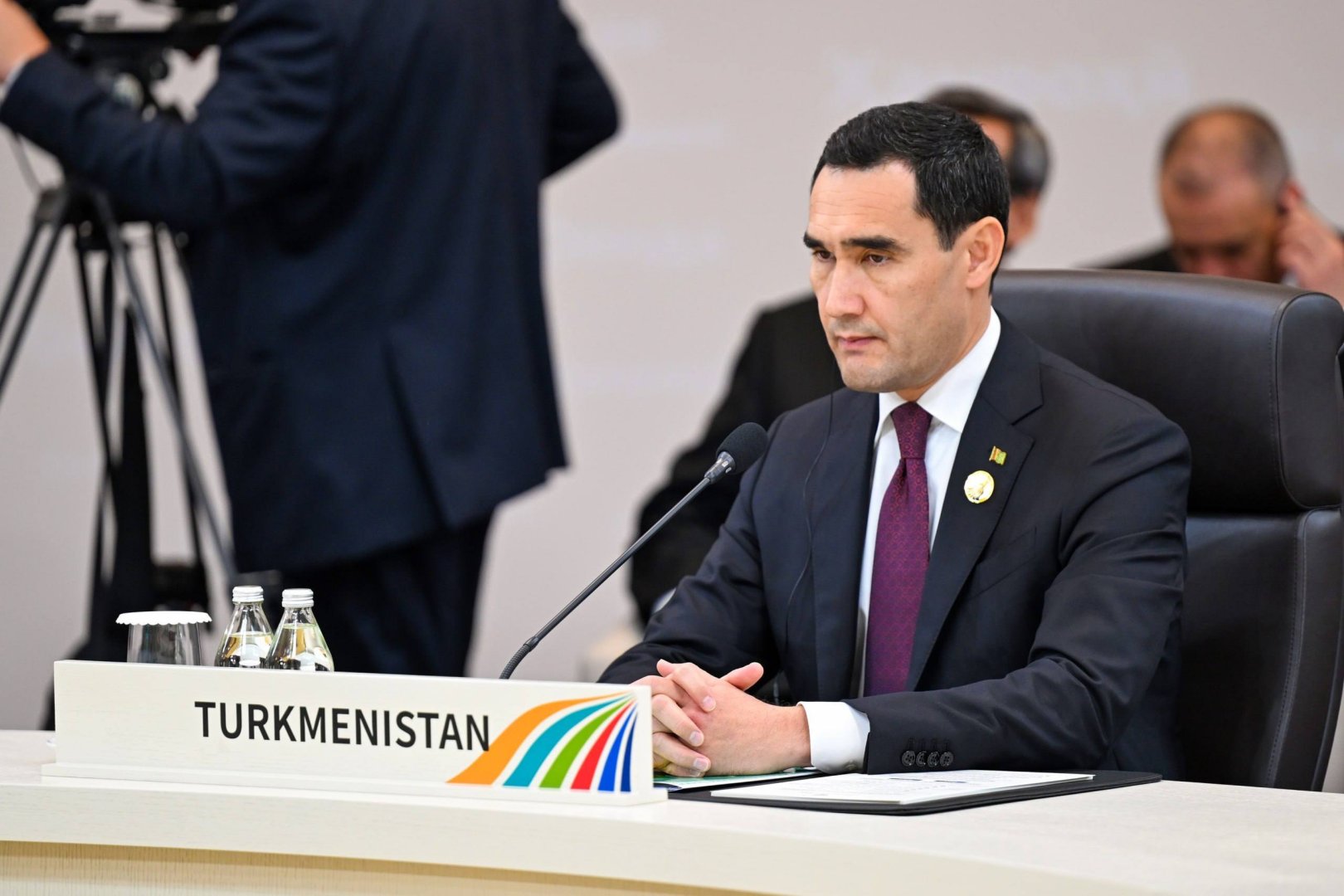
"To make a practical contribution to the development of international environmental cooperation, Turkmenistan is putting forward an initiative to establish the Ashgabat Climate Dialogue - a multilateral platform for exchanging experience and coordinating approaches to climate change adaptation, combating desertification and drought, the sustainable use of water resources and promoting green solutions," Serdar Berdimuhamedov said.
At the same time, Turkmenistan can offer not only institutional initiatives but also experience in reducing methane emissions. Following its accession to the Global Methane Pledge in 2023 and the establishment of a national commission dedicated to this area, the country reported an 11% reduction in methane emissions by the end of 2024, exceeding its planned target.
The arrival of Gurbanguly Berdimuhamedov at COP31, alongside Serdar Berdimuhamedov's efforts to advance the regional climate agenda, highlights the continuity of this policy at different levels of the country's leadership.
In the longer term, implementing Turkmenistan's proposals could establish permanent regional infrastructure for exchanging climate technologies, developing joint projects and attracting international financing. This is particularly relevant for arid areas of Central Asia, where water security, desertification and agricultural resilience are closely interconnected.
Two complementary approaches
Uzbekistan and Turkmenistan are advancing different but complementary approaches to climate cooperation. Tashkent is seeking to translate national commitments and international proposals into projects backed by financing, while Ashgabat is pushing for permanent regional mechanisms capable of supporting such projects and facilitating technology exchange.
Over the longer term, combining these approaches could contribute to a more systematic response to challenges shared across Central Asia. The two countries' climate initiatives address not only emissions reduction and clean energy development, but also water resource preservation, land restoration, protection of the Aral Sea basin's ecosystems and strengthening communities' resilience to climate risks.
The significance of Uzbekistan's and Turkmenistan's participation in the COP31 World Leaders' Summit therefore goes beyond presenting their respective national positions. It creates an opportunity to advance a regional agenda in which political commitments, international institutions and practical investment projects are designed to complement one another.


