
Greenpeace: Effects of releasing Fukushima water into the ocean unknown
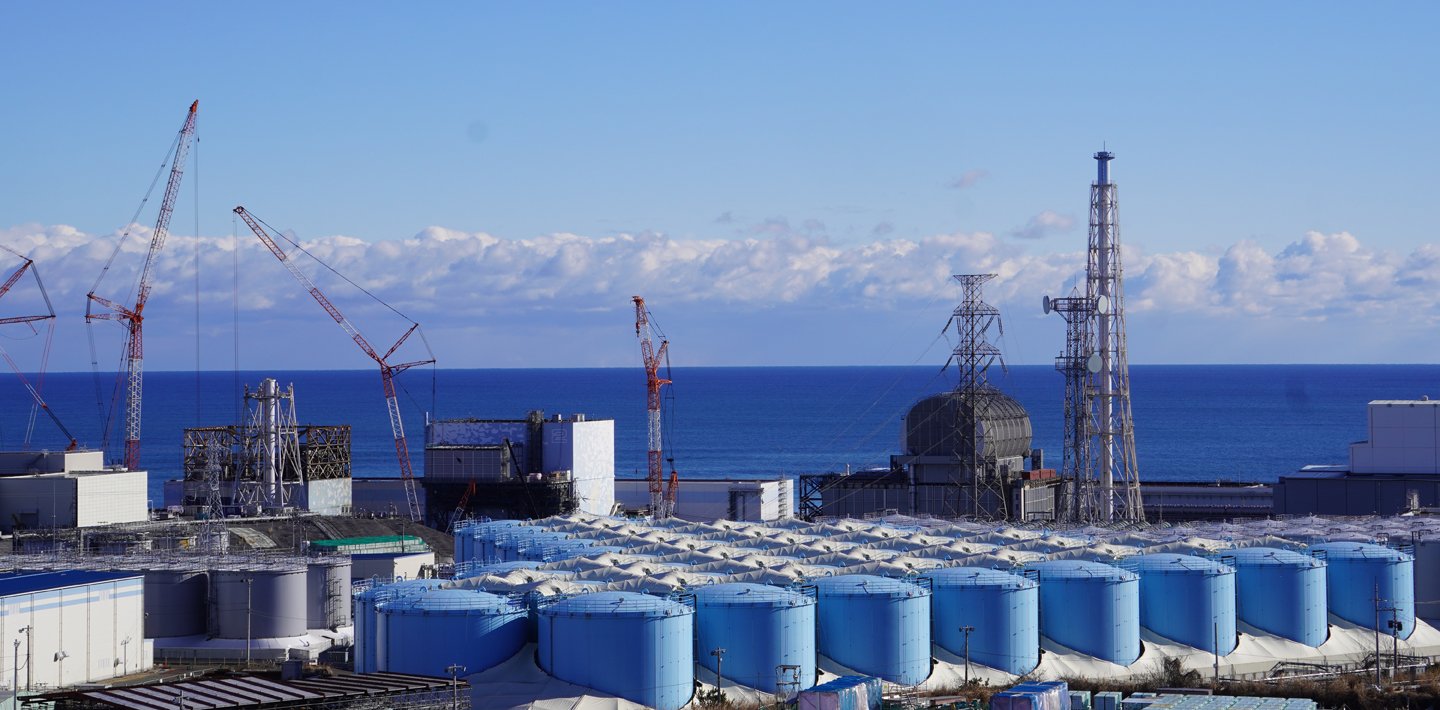
The water used in the cooling works of the Fukushima Daiichi Nuclear Power Plant, which suffered a level 7 nuclear accident with the tsunami following the great earthquake disaster in Japan in 2011 and started to melt down in its reactors, had been stored in the plant compound for about 12 years. It was announced that the discharge of the water, which is claimed to contain radioactive material but emphasised to be cleaned by Japan and the International Atomic Energy Agency (IAEA), into the ocean will start on Thursday. Japan and the IAEA, which approved the discharge plan, stated that the water had been cleaned and that its radiological impact on humans and the environment would not be at a dangerous level when released into the ocean.
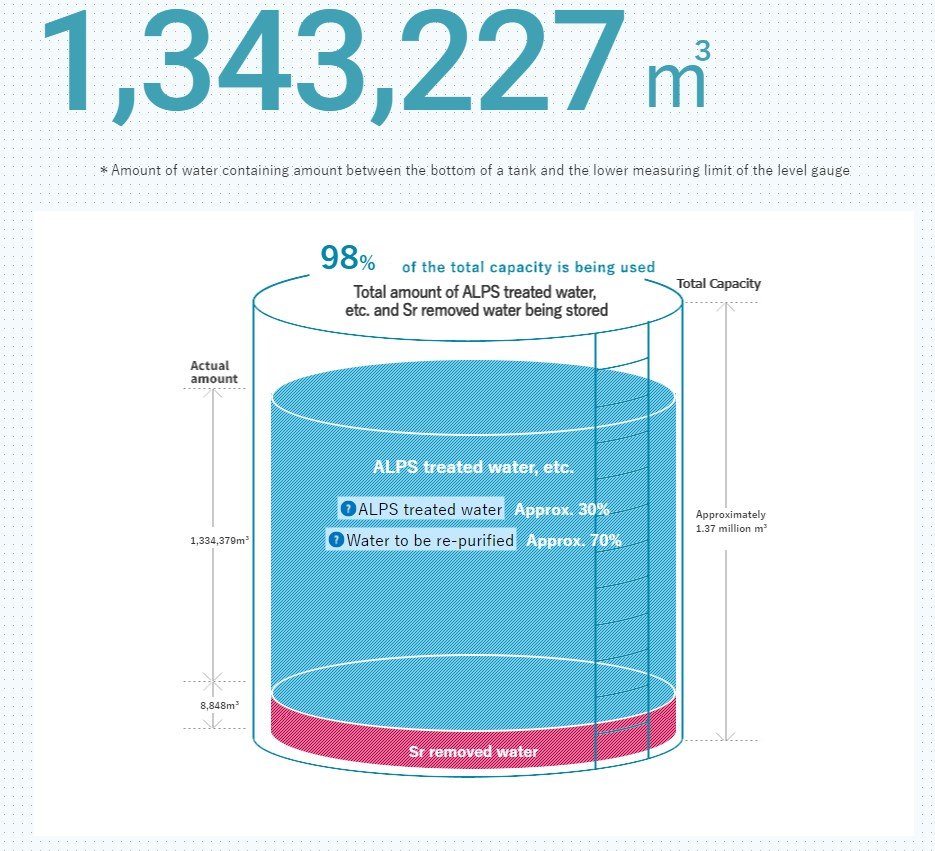
1 MILLION 343 THOUSAND CUBIC METRES OF WATER WILL BE DISCHARGED
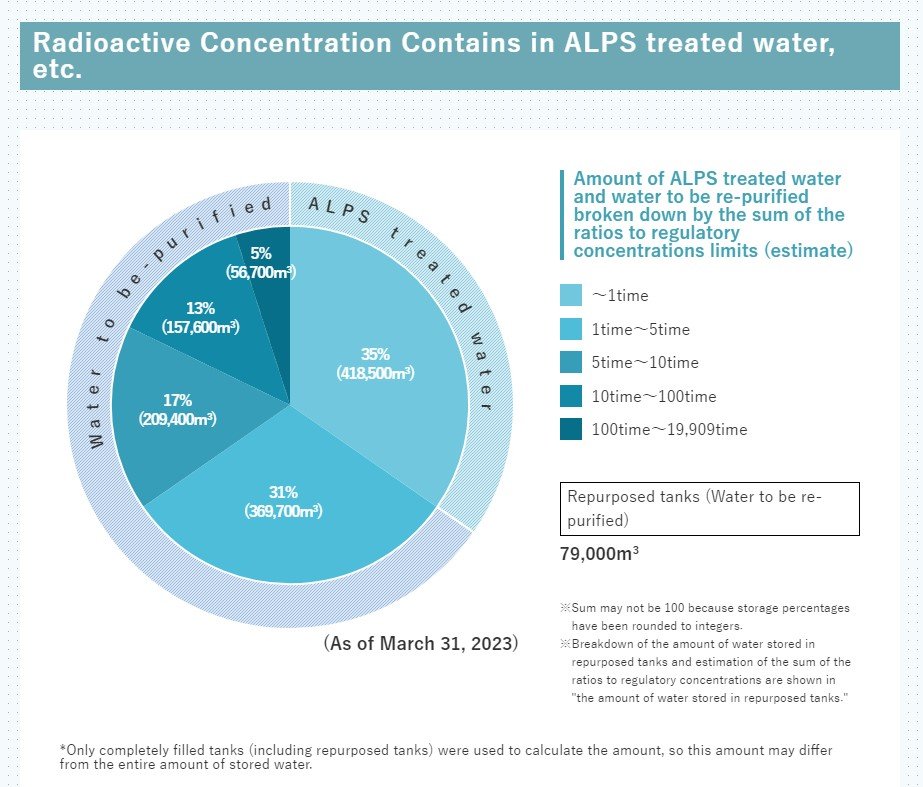
According to the data of Tepco, which operates the plant, it was emphasised that the cooling water stored as of 3 August reached 98 percent of the total storage capacity. Greenpeace made a statement today about the release of 1 million 343 thousand cubic metres of water into the ocean, which is said to have been cleaned with the Advanced Liquid Treatment System (ALPS), and included the words of Greenpeace Tokyo Project Manager Hisayo Takada in its statement;
"We are deeply disappointed and outraged by the Japanese Government's announcement that it will release water containing radioactive substances into the ocean. This decision has been taken despite concerns raised by fishermen, citizens, Fukushima residents and the international community, particularly in the Pacific region and neighbouring countries."
"Scientists have warned that the radiological risks from the discharges have not been fully assessed and that the biological effects of tritium, carbon-14, strontium-90 and iodine-129 from the discharges have been ignored," Greenpeace said.
CHERNOBYL AND FUKUSHIMA
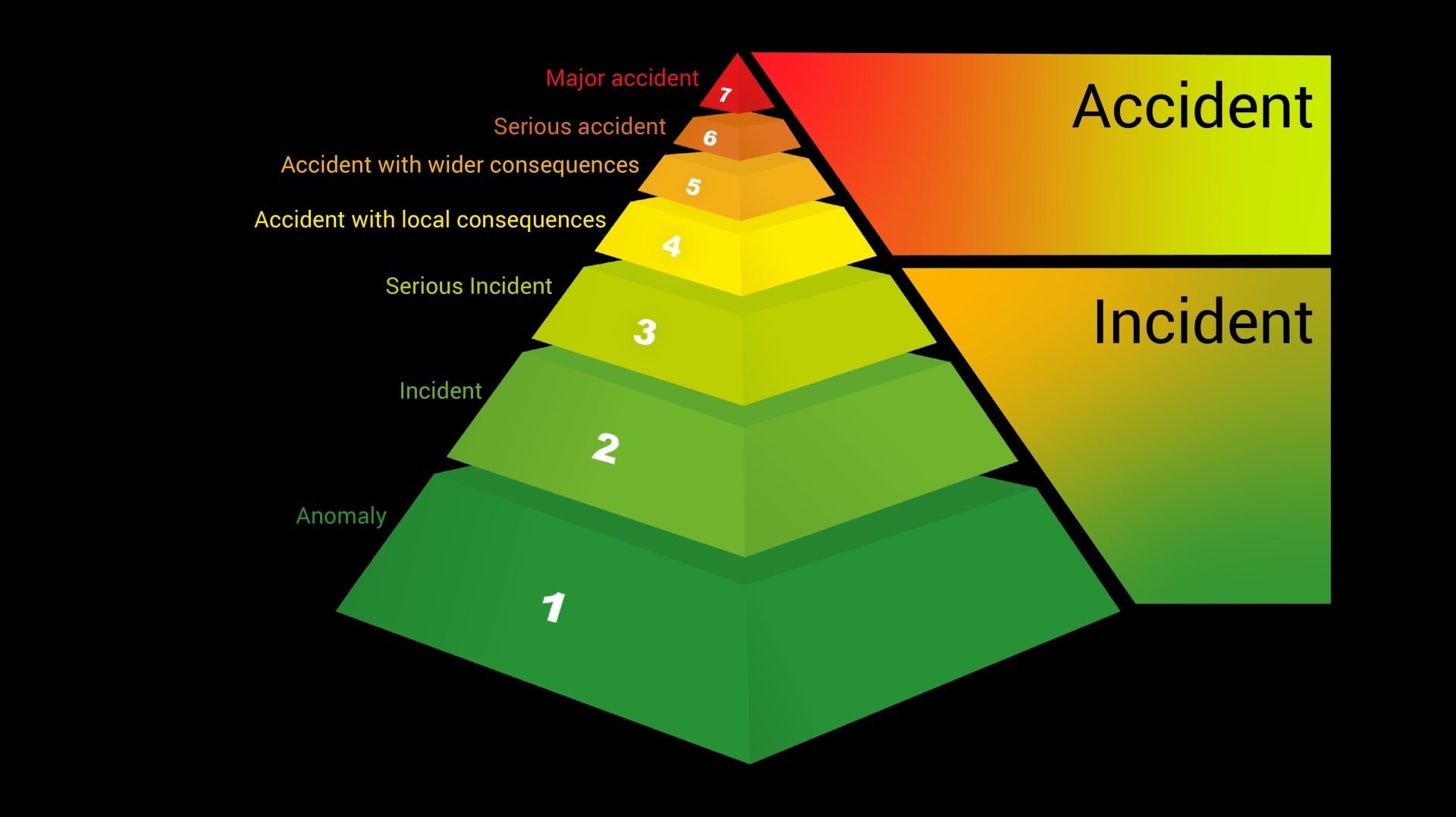
According to IAEA standards, the hazard level of a nuclear accident is graded with a maximum of 7. According to the International Nuclear and Radiological Event Scale (INES), there have been two 7-level nuclear accidents in the world. One of these is the Chernobyl Accident and the other is the Fukushima Accident. In Fukushima, nuclear meltdown started in 3 of the nuclear reactors with the damage that occurred after the tsunami.
Gallery