
MKE's Statement on Malaman Smart Bottom Mine
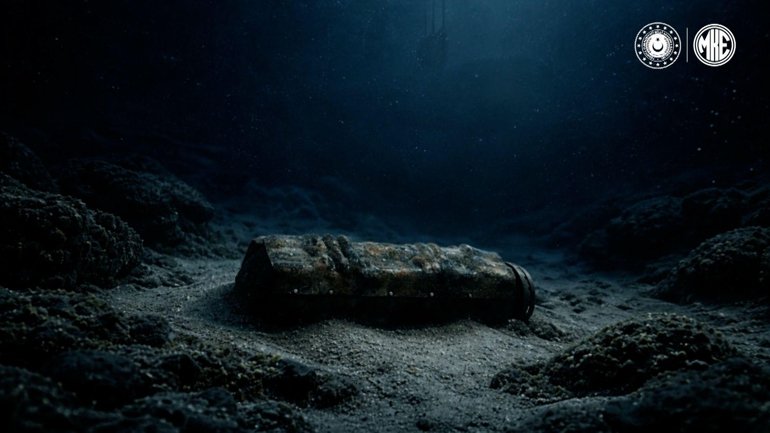
According to the written statement made by MKE; Malaman, designed to suit the structure of the seabed, can operate safely without being affected by overheating and bullet impacts. Malaman, which has entered the inventory of the Naval Forces Command, weighs approximately 600 kilograms, including 400 kilograms of insensitive underwater explosives. Malaman has the ability to detect, analyze, and evaluate acoustic, magnetic, and pressure changes occurring underwater in real-time. Equipped with high-tech sensors, the system can detect frigates, submarines, patrol boats, and tankers and instantly report the information to the management center. The Firing System, which has the ability to process signals from sensors, can be adjusted with different parameters and successfully neutralizes the detected enemy target by firing the explosive. Multiple locking mechanisms are present on the mine to prevent uncontrolled explosions and ensure safety.

DIFFICULT TO DETECT ON THE SEA FLOOR
With its special body structure, Malaman makes it difficult for mine-sweeping sonars to detect it on the sea floor; it further strengthens this advantage with three different special composite casings developed to minimize acoustic reflectivity and enhance visual stealth. These casings, designed in shapes and colors suitable for the natural structure of the sea floor, also minimize the possibility of Malaman being detected by side-scan sonars and autonomous underwater vehicles.